
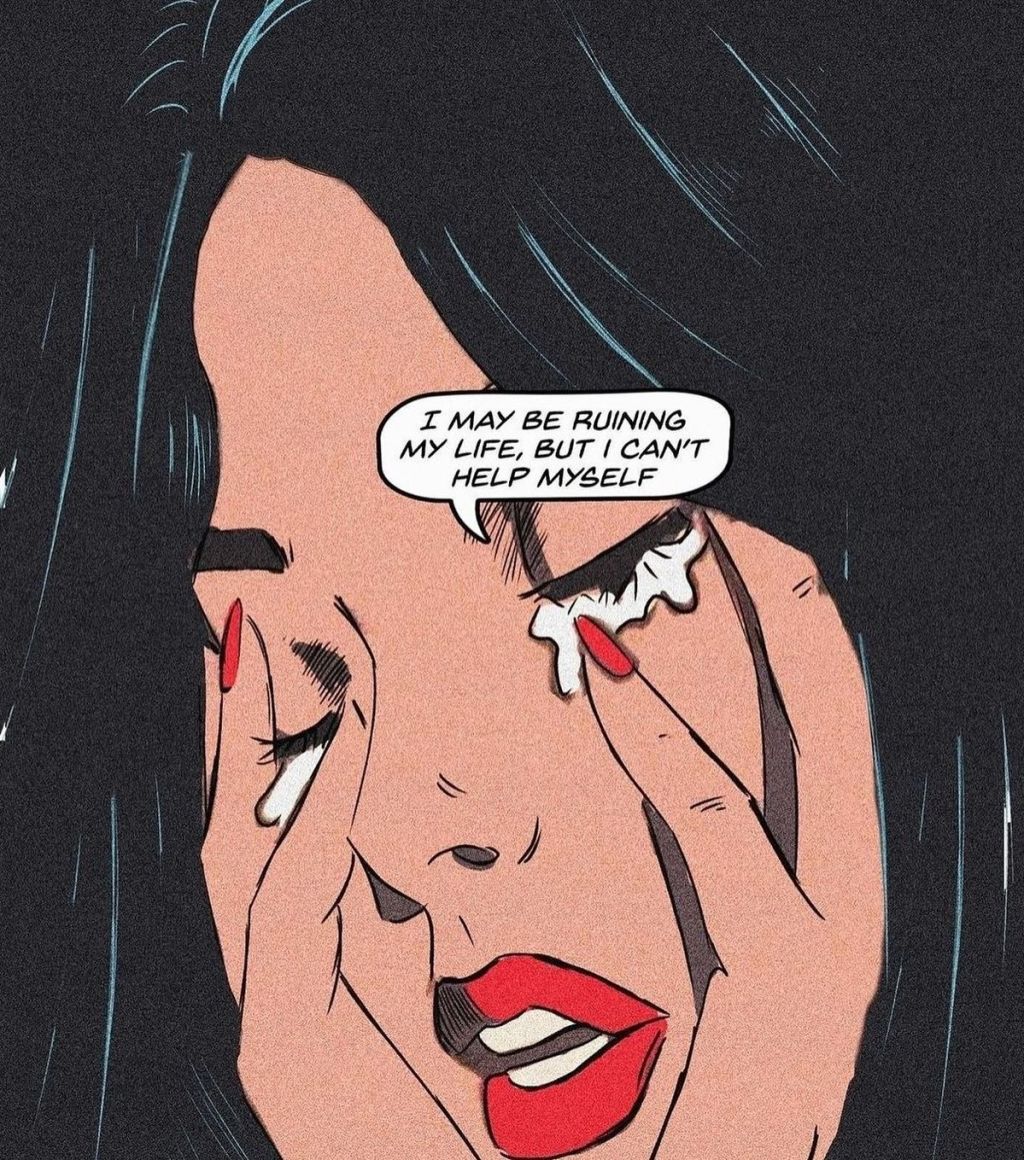
Emotional immaturity is unfortunately a common trait seen on film and television. We see so blatantly how some characters refuse to evolve because they have one foot in the past. They kind of acknowledge it by mentioning a bad childhood or bad parents or trauma which they push down and ignore, because that totally works.
Unfortunately growing up is not synonymous with aging. Nor is it a simple decision we make by deciding that the past is behind us and we “move on.” That means nothing to your subconscious, which is why we recreate our childhoods forever until we grow up.
Some examples of this “never growing up” phenomenon I’ve written about:
How does one “grow up,” if the passage of time doesn’t do the job? Many years ago I read about the concept of “leaving home,” emotionally. It meant making peace with every aspect of your past instead of denial or suppression or ignorance. The answer to whether or not you’ve actually grown up is in your attitudes to life today. If any aspect of your negative emotional reactions to life now is familiar to you, you still have some growing up to do.
- That fight with your spouse feels just like what happened with your ex.
- What irritates you about your boss reminds you of your parents.
- The way people hurt you brings you back to a way you felt in childhood.
These situations present a familiar feeling. You’ve felt that way before specifically in relationship to others. Betrayed. Ignored. Used. Neglected. Manipulated. There is nothing new under the sun. If you’re feeling it now, there’s a good chance you’ve felt it before and didn’t fully recover from it.
What the hell are you talking about? It was years ago. I’ve moved on. I was just a kid. This is totally different. Okay. Yet you feel exactly the same way about yourself or others. You come to the same conclusion. You have not moved on. Because it (the familiar feeling) keeps showing up.
So how do we move on from the past?
Allow.
Allow yourself to feel it. Allow yourself to remember what it felt like back then. Allow yourself to remember the very first time you felt that way. Was it your parents who made you feel that way? Another adult, or a peer? Revisiting the very first time holds the key to growing up now. Part of you is still there, still reacting to that same event. The friend who humiliated me in second grade. The way my dad looked at me when he was angry. The things my mom said when I started to cry. The moment when they rolled my sister into surgery. Your early, significant memories likely contain strong emotions; if you revisit those memories and the emotion is still there, you haven’t fully processed what happened. When you feel safe to express emotions, your brain can fully process what happened and healthily integrate the experience into the following mentality: that was hard, but it’s over. Life is good now. Everything is okay. I am safe. If you aren’t allowed to fully integrate and process the experience, you won’t make it there. You’ll be stuck in the feeling, with the intense distress and negative belief that accompanies it: I’m not safe. It’s not okay to show what I feel. Something is wrong with me. Something bad is happening. To your brain, it’s never really over, no matter how long ago it happened. You react as if it’s still happening.
Emotional maturity isn’t innate and you aren’t flawed for lacking it. It’s a skill many of us were never taught. Many parents are emotionally immature and raise emotionally immature children. Nobody gave them or you the tools needed to make sense of your emotions and let the body do its thing when it comes to expressing anger, sadness, and fear. But that’s okay. You can always learn, and it will always be worth it, no matter how long it’s been. Developing emotional maturity by facing your buried emotions is always beneficial and I guarantee you will see things change in your life very quickly once you start.


Leave a reply to why we go back for more – isabella luella newman Cancel reply