
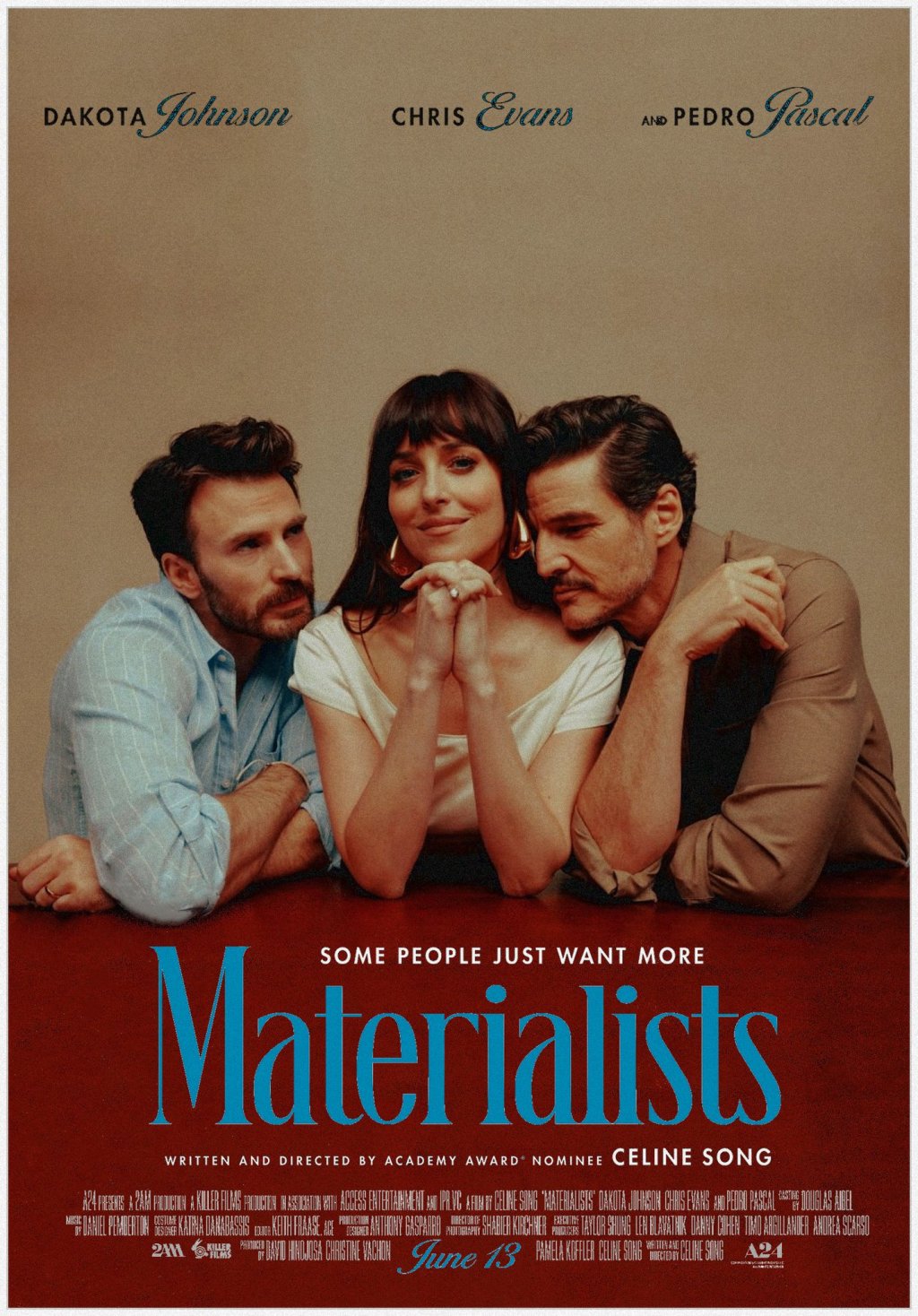
Materialists is not a romance. It’s not a movie about a woman choosing between her broke ex and rich boyfriend. It’s not about love. It’s not even about dating. Materialists is about self-worth. The sentiment echoed by all of the film’s characters is that external metrics determine one’s value in the “market.” The truth, that the movie simultaneously reveals, is that our “value” is determined by what we believe about ourselves.
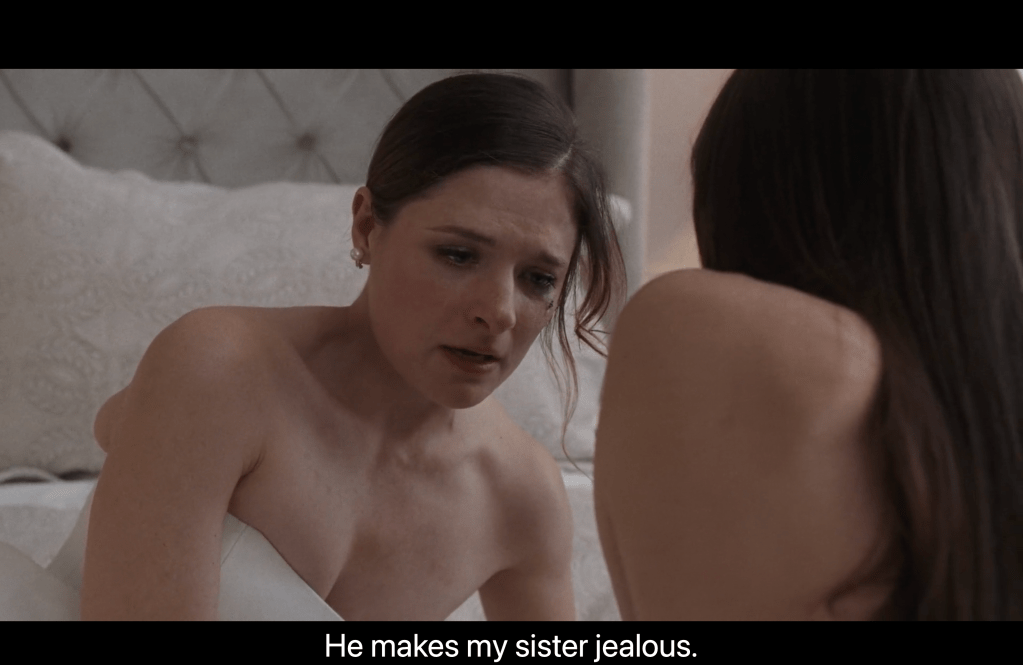
the ninth bride
An opening scene shows Lucy talking to a bride who confesses: the only reason she wants to marry her fiancé is because he makes her feel valuable. She only marries him because he makes her sister jealous, and it makes her feel like she “won.” She uses her husband as an external metric to convince herself that she has value.
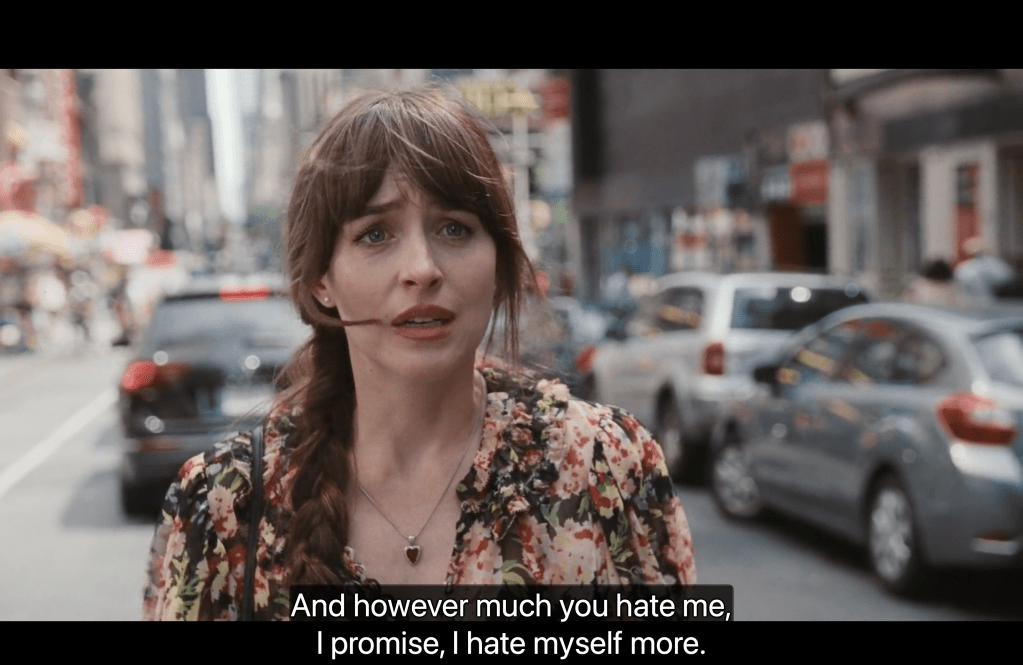
Lucy and John, in the past
In a flashback of Lucy and John, Lucy tells him that she hates fighting with him about money on their anniversary because it makes her feel like her parents. Yet she engages in a fight with him about money in the street and they even break up for it. She tells him, “However much you hate me, I promise I hate myself more.” She says their relationship is failing “not because we don’t love each other. It’s because we’re broke.” Lucy is not broke, however. She is comfortably middle class. John is broke, but John is so familiar to Lucy that she cannot see herself living any other way.
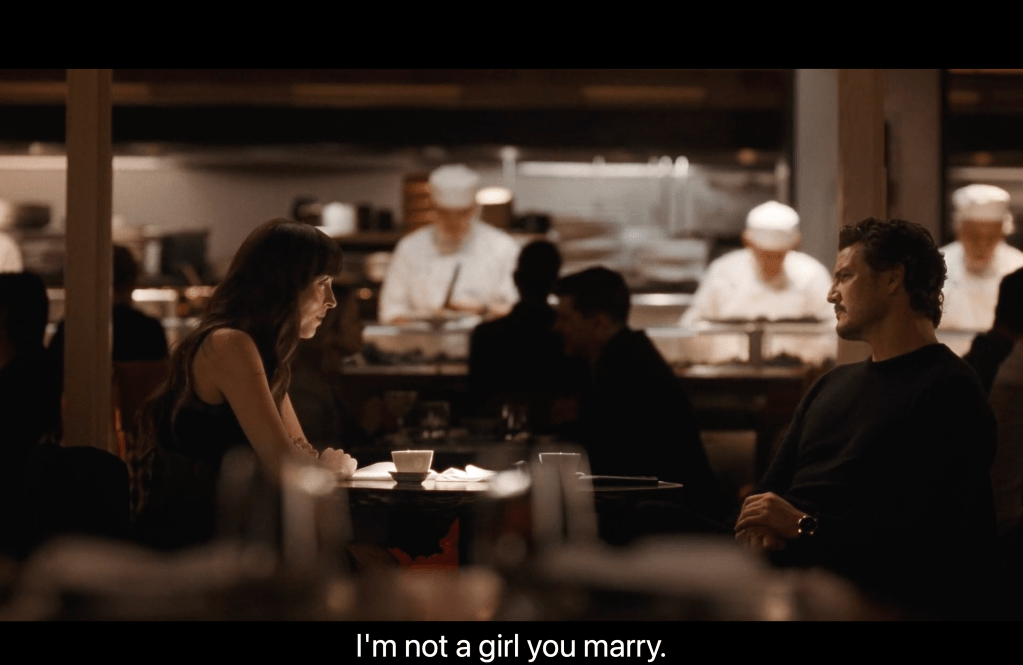
John
John hates his living situation but he makes no career changes because he is more comfortable in the familiar place of poverty than he would be in the unfamiliar place of success. He pines after Lucy who is, based on her “math,” way out of his league. Lucy settles for John because of her low self-worth. John holds on to Lucy and then mistreats her because he feels unworthy of being with her, since she is more successful than him. John also tells Lucy that she is hard to please, and that he feels no matter how hard he tries he cannot make her happy. This tells us that John believes he is not good enough.

Sophie
Sophie tells Lucy that she thinks Lucy set her up on a bad date because “you think I’m worthless.” The truth is, Lucy gave Sophie exactly what she asked for: a man who fit her standards. Sophie projects her feelings of worthlessness onto Lucy.


Lucy and Harry
Lucy feels unworthy of being in a relationship with Harry. This is perhaps the most obvious expression of low self-worth in the film. Lucy tells Harry, “You’re not really interested in me,” “I don’t know if I like you or the places you take me to,” and “You can do better than me.” She completely projects her feelings of inadequacy onto Harry. Harry chooses Lucy even though she does not love him and he does not love her. What attracts Harry to Lucy? Even with Lucy’s horribly low self-worth, Harry still chooses her. Perhaps he thinks she will be easy to impress, which she is, because she has very low standards. Perhaps he is attracted to her coldness, because Lucy is not open to love, and Harry does not feel worthy of romantic love.
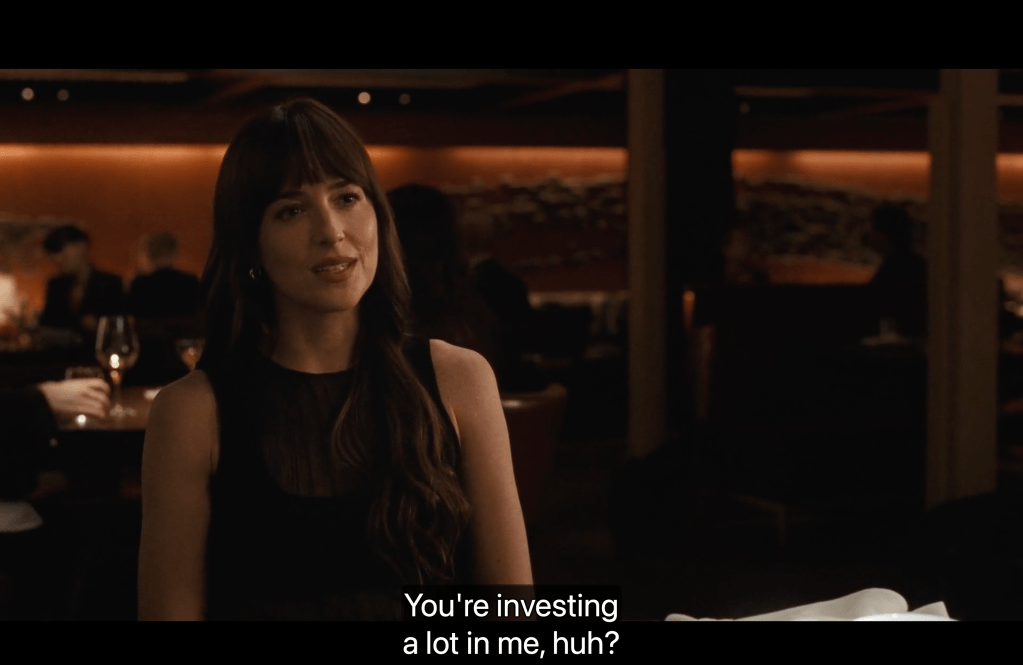
Harry
When Harry talks about his surgery, he says that the biggest impact on his life has been that he’s “worth more” in the eyes of others. His height is an external metric he believes determines his value to a woman. But even after all that, he is unable to “find love.” When Harry gets rejected, he says he feels “like a clueless child” for wanting to be in love. He has not found love because despite his material assets, he does not believe he deserves genuine love. He approaches his relationship with Lucy like a “business deal.” He doesn’t know how to love or be loved.
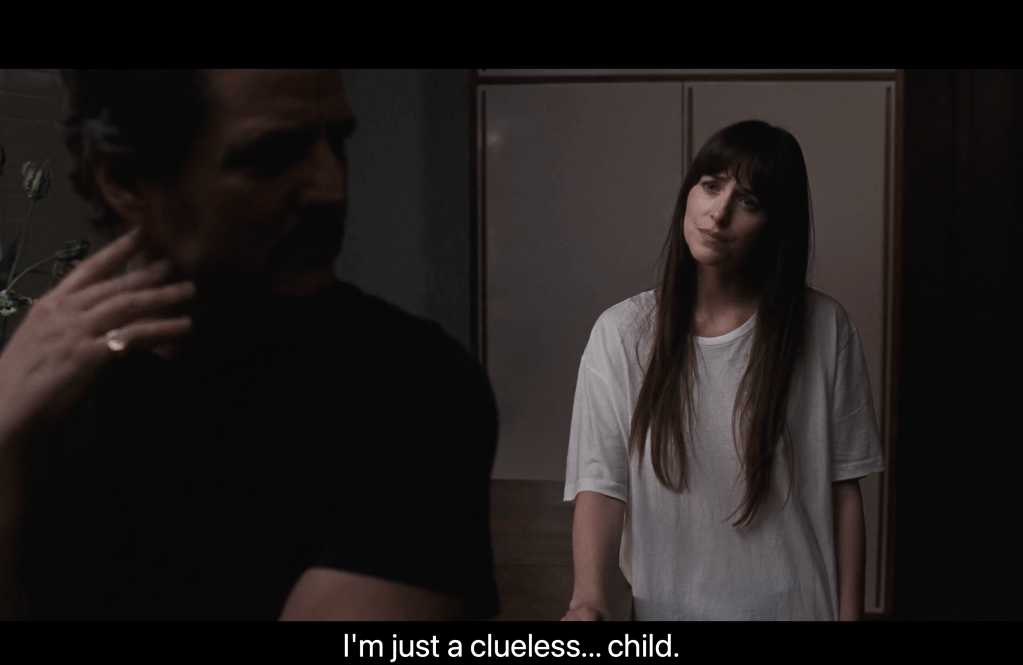
Lucy
Lucy the matchmaker rejects her perfect match. He is everything she wants—loads of money, security, and he in her own words makes her “feel valuable.” But he is not what she feels worthy of. John is not what she wants. But he is what she feels worthy of—poverty, trauma, and struggle.

the central theme: self-worth as a determinant of relationship satisfaction
In reality, all of these people are projecting their low self worth onto the world. If I hate myself, everyone else must hate me too. If I feel worthless, everyone else thinks I’m worthless too. Even though I can pretend I believe I deserve love, I push it away. Maybe if I’m taller or married or have a boyfriend or money, I will be valuable and worthy of love.
Lucy and John, in the present
John asks Lucy, “Do you think I’m worthless? Am I disposable?” because she is not sure if she wants to get back together with him. John believes Lucy is too good for him and that he is not possibly loved by her, only used. Lucy does use John to meet her emotional needs: to affirm her feelings of worthlessness in a relationship.

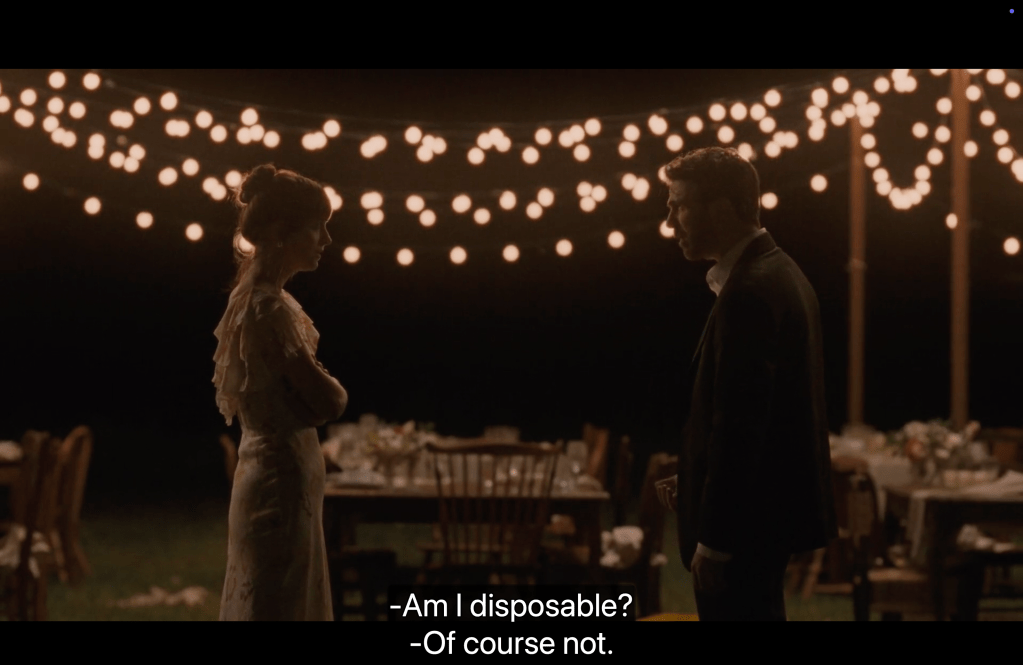
Lucy tells John, “You don’t want me. I’m not a good person.” She continues on to list all of her supposed worst qualities. The irony is that she is a matchmaker and “sells” her clients with their best qualities to potential matches. She calls it “math.” While painting others as perfect on paper, she makes herself look bad. She tells John, “You don’t want to be with me because I’m awful.” John denies this and says, “I know what you’re like.” Lucy says, “How can you still love me?” No answer. Because there is no love in their relationship or any relationship in the movie. Love is not a factor; only common wounding. Lucy and John are a match because they have the most common wounding, which they admit early on, when John says: “Poor, voted for Bernie, shitty family. Are we soulmates?” and Lucy responds, “probably.”
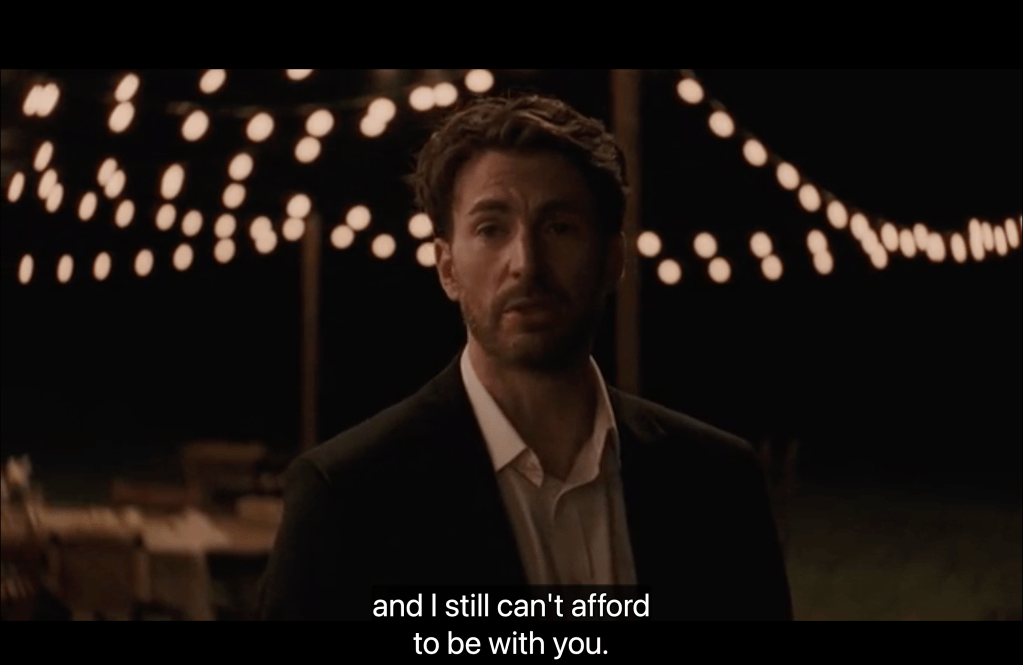


the film’s terrible but proper ending
The film ends with a with a faux pas “happily ever after” for Lucy and John and confirmation that none of the characters have grown at all. None of them have reflected on their beliefs, healed, and increased their self-worth. This movie and especially its ending irritated me, but after another watch, it enlightened and frightened me because of how much it makes sense. Even when we think we stay the same, we are always either making our lives worse or better. Lucy got a raise, but in the words of John, made a “terrible financial decision” marrying him. So it cancels out–the money will be spent on him and the miserable life they’ll build together. She’ll wish she could go back to 80k and singleness.
When people don’t grow, their lives don’t improve. No one in this movie grew. No one realized the limitations they put on themselves because of their lack of self-worth. And that is scary because for most people that is everyday reality. Relationships are not vessels for healing but reflections of our own self-hatred that we call “love.” We focus too much on our relationships status and tax bracket and ignore the more important things like what we believe about ourselves. Which makes us all “materialists” whether we admit it or not.
As Lucy says:
“Who our partner is, it determines our whole life and how we live not for one, two, ten years, but forever.”
The “partner” in this quote is really your own reflection staring back at you and what it’s telling you that you deserve. The most important line in the film, though, comes at the end, when Lucy gets the offer for a promotion/raise and her boss says:
“You can ask for any amount you want and I’ll support you.”
In this the film is perfectly closed and all of the characters’ decisions are explained: we determine our own value, and we get exactly what we believe we deserve. If I decide I am worth more, life will support my decision.


Leave a reply to decoding emotional maturity: how to grow up – isabella luella newman Cancel reply